Our story
It started in one home.
Simi Fajemirokun founded The Children’s Language Centre after watching what happened in her own house. This is her account, in her words.
I’m Simi Fajemirokun, and I’ve been blessed with three amazing children — Okiki, Ara and Toluwalase. All under five, so ours is a very full house.
I was born in Nigeria in 1984, but my mother raised me in the UK and the US, and I had only three years of formal schooling back home. Even so, living abroad never loosened my hold on my country and culture — if anything, it tightened it. I was constantly reading up on Nigerian news online, and before the internet existed, I used to ask my dad to bring me magazines and newspapers from home.
I loved Nigerian movies growing up, but Yorùbá movies especially — I found them better scripted, with a depth and meaning that came through in the background songs, the proverbs, the storylines that actually stayed with you. As a teenager, one of my all-time favourites was a three-part film, Owó Blow 1, 2 and 3. I was obsessed — I probably watched that DVD until it broke.
But even with all that exposure — the films, two parents who spoke Yorùbá to each other — I mostly understood the language and could barely speak it. I always wished I had real fluency in my mother tongue, but I never did much about it. Not until my first pregnancy, when I actually started taking online Yorùbá classes. The classes were fairly static, so I complemented them with BBC Yorùbá radio and the Yorùbá audio Bible.
Speaking Yorùbá is a skill I’ve also needed in the grassroots development work I love to do in Nigeria. The struggle to master my own language is what drove me to make sure my children wouldn’t have the same one.
And then came the harder realisation: the environment that let me absorb Yorùbá’s culture and nuance — even imperfectly — barely exists for my children the way it did for me. My husband and I, though both Yorùbá, speak only English to each other, so the odds of our children picking it up naturally were always slim. We don’t have the time, or make the time, to watch Yorùbá films, and the only Yorùbá music in our house is whatever Afrobeats has made mainstream.
I believe in giving my children a strong educational foundation, so alongside school they have after-school lessons in numeracy, literacy and French. But culture matters just as much to me. I don’t believe in giving my children Yorùbá names and then leaving them strangers to the language and culture behind those names — why bother with a traditional name if they’ll never be able to explain what it means, or know their heritage well enough to pass it on to their own children one day?
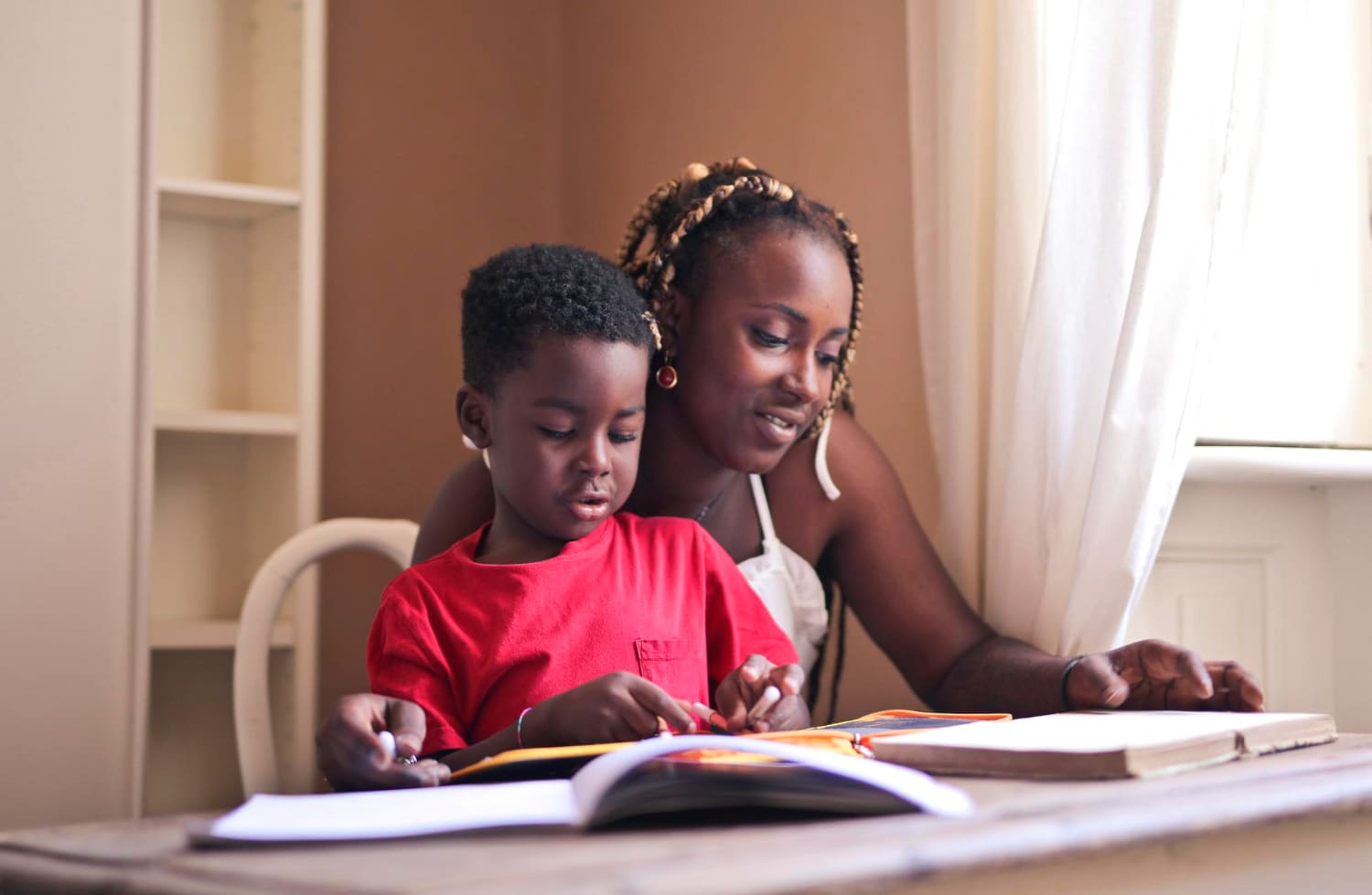
So I worked hard to find a Yorùbá tutor who could come three times a week after school. What happened next astounded me. Nursery rhymes, songs, dance, numeracy, literacy, whole passages of scripture — Psalm 23, Psalm 24 — my children absorbed all of it. I couldn’t believe it. I still can’t. As an adult, I find myself learning from my own children now, especially the songs and the scripture.
And then there’s what it’s done for their relationship with their grandparents — that part has been the most endearing of all. I never imagined my parents and my in-laws having longer conversations with toddlers, but that’s exactly what’s happened, once the children learned a grandparent’s favourite hymn or prayer. I’ve watched pure joy on my children’s faces when I walk in on them singing, dancing, or playing Yorùbá games. And I’ve watched their confidence grow — especially in my shy three-year-old, my second child, who has become so much more vocal that she’s appointed herself official corrector of Mummy’s Yorùbá whenever I mispronounce a word.
Between the confidence I’ve seen in my children, the bonding it’s created with their parents and grandparents and the wider family, and simply happier, sharper kids — I’ve come to understand this isn’t just a language class. It’s more than exposure to culture. This is joy in your home. This is an inheritance you give your children — one that will make you a proud parent.
We’ve curated what actually works. We’ve trained our tutors to teach through the performing arts, so your child learns by playing. We’ve built a curriculum around projects and hands-on experience that makes the learning stick. We’ve created toolkits, worksheets and a monthly progress report so you can see exactly what your child is learning. And most importantly, we’ve built a culture of faith into it all, so your children’s learning is wholesome from the inside out.
Please join us as we build a community of intentional parents — parents who educate their children not only in the subjects every school teaches, science and English and maths, but who also give them identity, purpose, and a heritage that gives them an edge wherever they go.
Join the movement. Give your children the gift you were given — or the gift you always wished you’d had.